UAE Steel Suppliers: How to Find the Right Partner for Your Construction and Industrial Projects
Steel is a fundamental material in the UAE’s construction, infrastructure, manufacturing, and industrial sectors. From high-rise buildings and commercial developments to warehouses, factories, and engineering projects, businesses depend on quality steel products to meet demanding structural and operational requirements.
With numerous UAE steel suppliers serving different industries, finding the right supplier requires careful consideration. Product quality, material availability, competitive pricing, technical support, and delivery reliability all influence purchasing decisions.
Understanding the Role of Steel Suppliers in the UAE
Steel suppliers play an important role in connecting manufacturers and material producers with contractors, fabricators, construction companies, and industrial businesses.
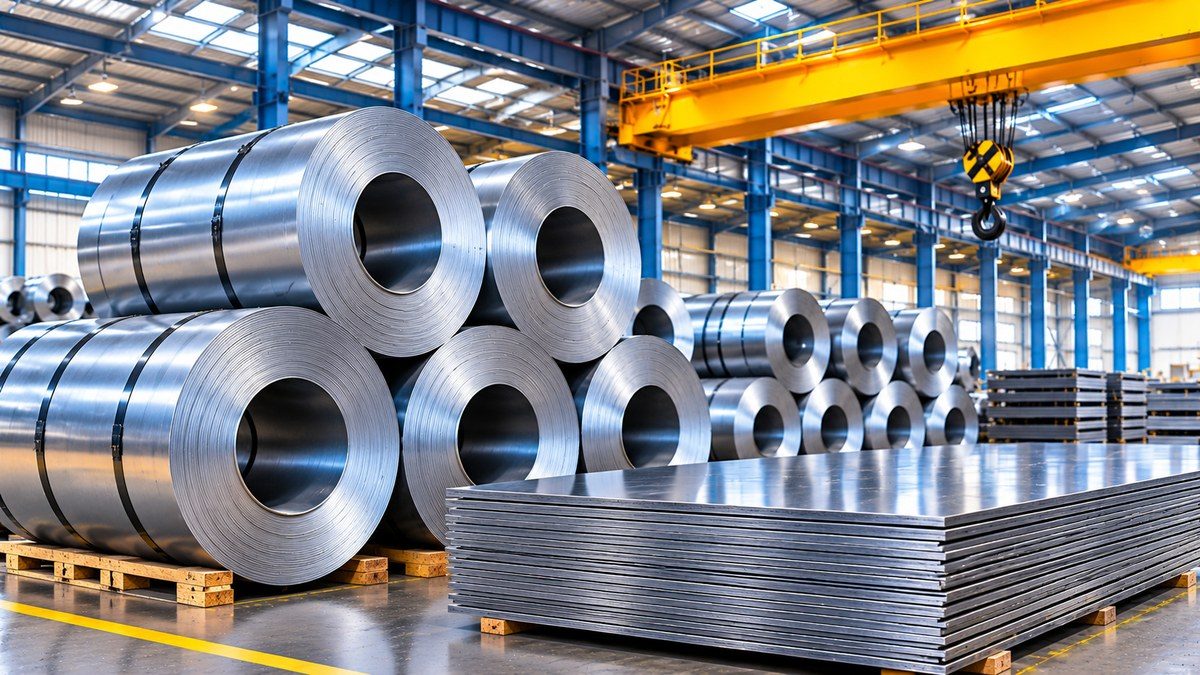
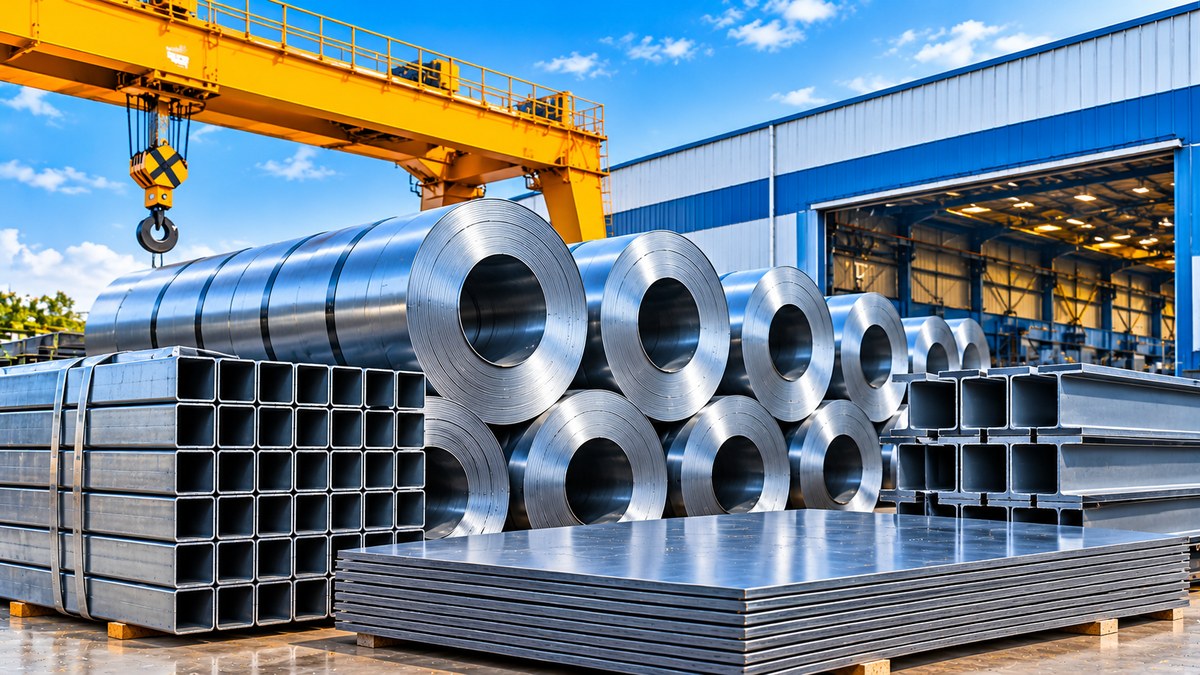
They provide different steel products according to customer requirements, including structural sections, plates, pipes, coils, sheets, and specialized metal materials.
Some suppliers focus on trading and distribution, while others also offer fabrication, processing, and customized engineering services. Understanding these differences helps buyers identify suppliers that can meet their specific project requirements.
- Common Steel Products Available in the UAE
Steel suppliers across the UAE offer a variety of products for different construction and industrial applications.
Structural Steel: Beams, columns, channels, and angles are commonly used in building frameworks, warehouses, factories, and infrastructure projects.
Steel Plates and Sheets: These flat steel products are used in fabrication, machinery manufacturing, equipment production, and construction components.
Steel Pipes and Tubes: Available in different dimensions and specifications, steel pipes are used in industrial installations, structural applications, and mechanical systems.
Reinforcement Steel: Rebar is essential for reinforced concrete structures, including foundations, columns, beams, and slabs.
Stainless and Galvanized Steel: Stainless and Galvanized Steel are selected for applications requiring particular corrosion resistance, surface finishes, and durability characteristics.
The availability of different products allows businesses to source materials according to their engineering and manufacturing requirements.
- Evaluate Product Quality and Certifications
Material quality should be a priority when selecting a steel supplier in the UAE. Steel products must meet the specifications established by project engineers, consultants, and applicable regulatory requirements.
Before purchasing, request relevant material test certificates, product specifications, and quality documentation. Check the steel grade, dimensions, mechanical properties, and manufacturing standards.
For specialized applications, confirm that the proposed material is suitable for its intended operating environment.
Furthermore, working with suppliers who maintain appropriate quality management procedures can help businesses reduce material-related risks and maintain consistent project standards.
- Compare Pricing and Product Availability
Steel procurement often represents a significant portion of construction and manufacturing expenses. Comparing quotations from multiple UAE steel suppliers can help businesses understand available options and manage budgets.
However, purchasing decisions should not depend on price alone.
Consider the following factors when evaluating quotations:
- Steel grade and product specifications.
- Material thickness, dimensions, and weight.
- Available stock and order quantities.
- Transportation and delivery charges.
- Payment terms and additional costs.
- Estimated supply and delivery schedules.
A competitive supplier should provide transparent pricing and clear information about product availability.
- Consider Delivery and Distribution Capabilities
Reliable delivery is particularly important for construction and industrial projects operating under strict schedules.
Late material deliveries can interrupt fabrication activities, delay installation, and increase operational expenses.
Before selecting a supplier, ask about warehouse facilities, transportation arrangements, delivery coverage, and the ability to handle bulk orders.
Businesses managing projects across different Emirates should also confirm whether the supplier can coordinate deliveries to multiple locations.
Efficient distribution and accurate order fulfilment help maintain smoother procurement operations.
- Look for Technical Support and Additional Services
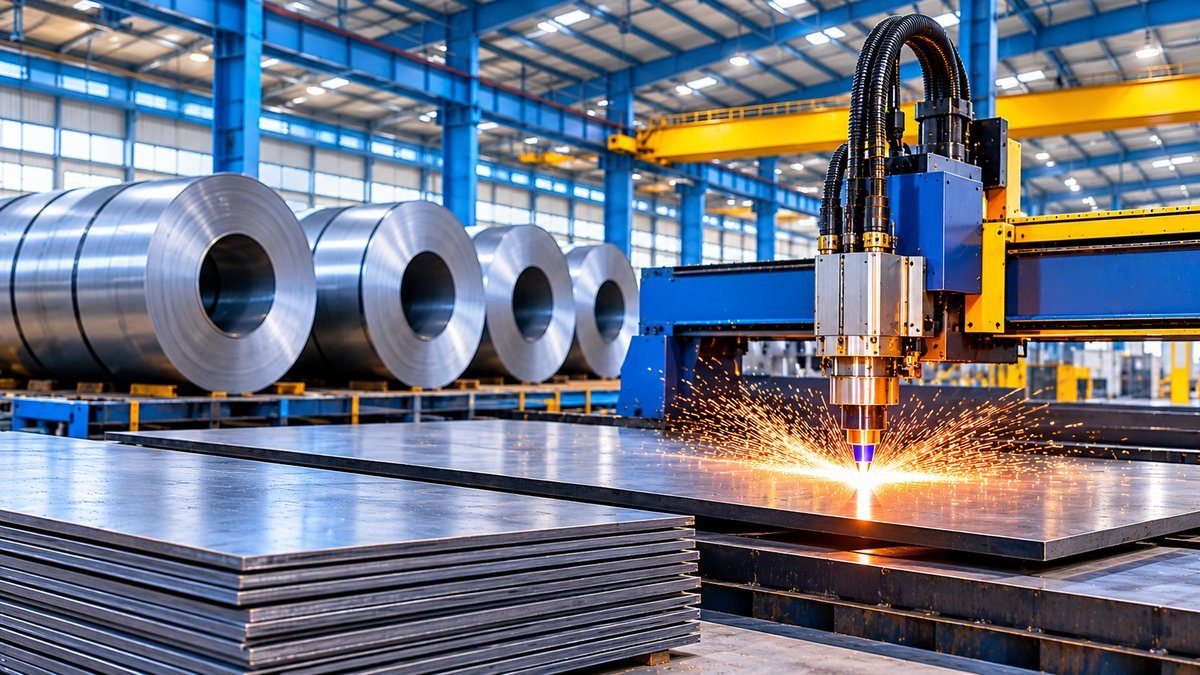
Some projects require more than standard steel supply. Cutting, bending, drilling, laser processing, and structural fabrication may be necessary before materials can be installed or assembled.
Working with a supplier that also provides processing or fabrication services can simplify procurement and reduce coordination between different vendors.
Technical support is equally important when selecting materials for specialized applications. Experienced professionals can help clarify product specifications, processing requirements, and available options.
- Why Long-Term Supplier Relationships Matter
Building a relationship with a dependable steel supplier can benefit businesses with recurring material requirements.
Consistent product availability, clear communication, dependable delivery, and competitive commercial terms can make future procurement easier.
Long-term supplier relationships can also improve coordination between purchasing teams, contractors, and manufacturing departments.
However, businesses should continue reviewing supplier performance to ensure that quality, pricing, and service standards remain consistent.
Finding right UAE steel supplier
Finding the right UAE steel supplier involves more than comparing product prices. Businesses should evaluate material quality, product variety, certifications, delivery capabilities, technical support, and overall reliability.
Whether sourcing structural steel for construction, steel plates for fabrication, or specialized materials for industrial applications, selecting an experienced supply partner can support better project planning and procurement efficiency.
By understanding their requirements and comparing suppliers carefully, contractors and industrial buyers can make informed decisions and secure steel materials that meet their project specifications.