How to Choose a Steel Supplier in Dubai
Choosing the right steel supplier in Dubai is an important decision for construction companies, contractors, engineers, and industrial businesses. The quality of steel materials can directly affect project safety, durability, costs, and completion timelines. With numerous steel suppliers operating across the UAE, businesses need to evaluate their options carefully before placing an order.
Whether you require structural steel for a commercial building, reinforcement bars for a construction project, or stainless steel for industrial applications, selecting a reliable supplier can help you avoid unnecessary delays and expenses.
- Check the Quality of Steel Products
Steel quality should be your first consideration when selecting a steel supplier in Dubai. Construction materials must meet the technical requirements and applicable standards specified for your project.
Ask suppliers about the grades, specifications, and certifications of their steel products. Depending on your requirements, you may need structural steel sections, steel plates, reinforcement bars, or specialized steel grades.
Furthermore, A dependable supplier should provide relevant product documentation and material test certificates where applicable. These documents help verify material properties and demonstrate whether the steel meets your project’s specifications.
Always confirm that the supplied materials match the requirements outlined by your engineer or project consultant.
- Look for a Wide Range of Steel Products
Working with a supplier that offers multiple steel products can simplify procurement and save time. Instead of coordinating with several vendors, you may be able to source different materials from one company.
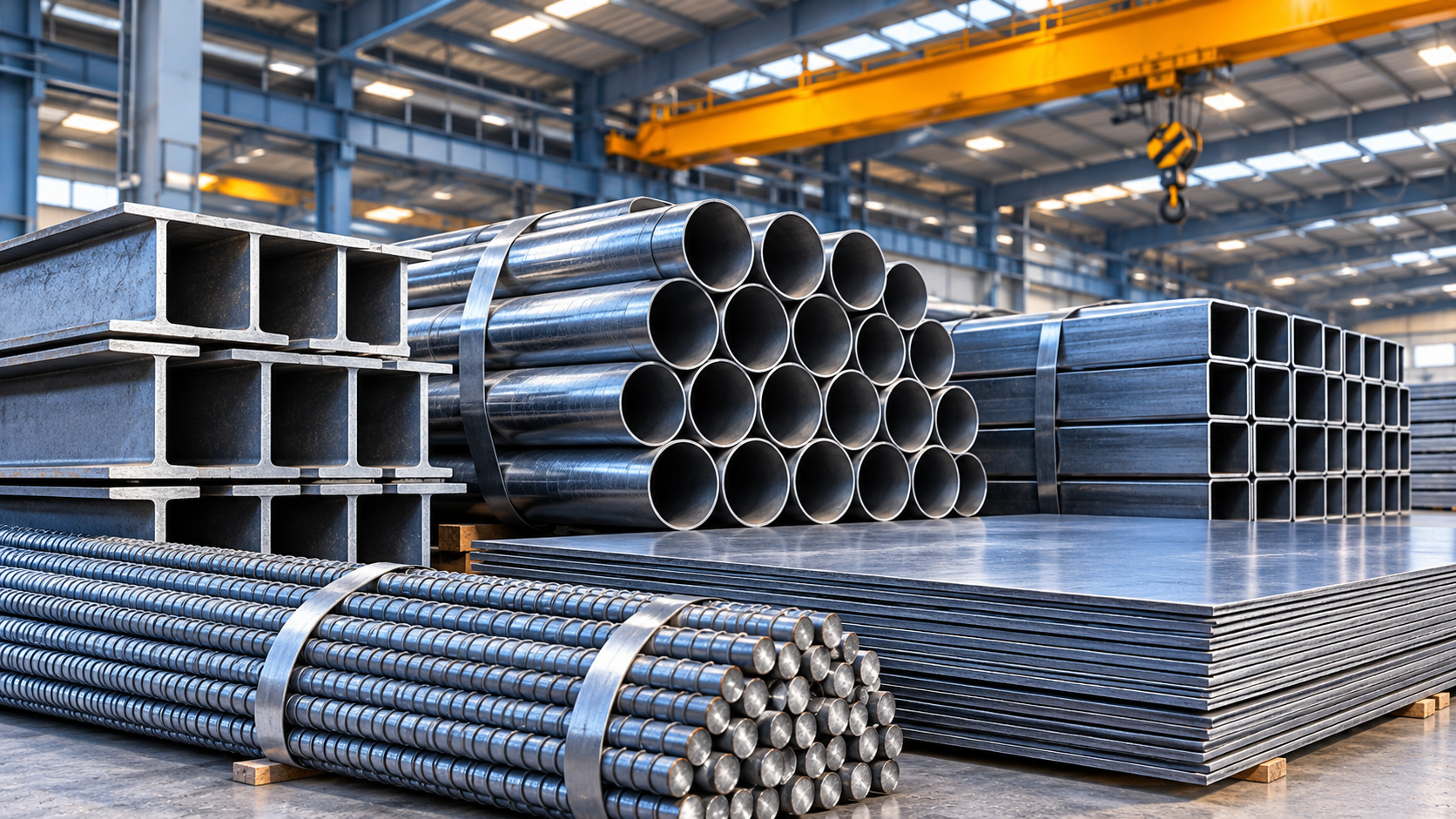
Common steel products used in Dubai include:
- Structural steel beams and columns
- Steel pipes and hollow sections
- Reinforcement bars and steel rods
- Steel plates and sheets
- Stainless steel products
- Galvanized steel sheets and sections
Before choosing a supplier, review its product catalogue and confirm that the required sizes, grades, and quantities are available. A broad product range can be particularly valuable for contractors managing multiple construction activities.
- Compare Steel Prices and Overall Value
Price is an important factor when purchasing steel in the UAE, but choosing the cheapest supplier is not always the most economical decision.
Steel prices can vary depending on grade, dimensions, manufacturing standards, order volume, transportation, and market conditions. Request detailed quotations from multiple suppliers to understand what each offer includes.
Compare material specifications, delivery charges, payment terms, and any additional handling fees. A lower quotation may not represent better value if the material does not meet your requirements or delivery is unreliable.
The goal is to find a steel supplier that balances competitive pricing with dependable quality and service.
- Evaluate Delivery Capacity and Reliability
Construction schedules often depend on receiving materials at the right time. Delayed steel deliveries can interrupt work, increase labour costs, and affect project deadlines.
Ask potential suppliers about their current stock, delivery arrangements, estimated lead times, and ability to fulfil large orders. However, If your project involves several deliveries, check whether the supplier can coordinate shipments according to your construction schedule.
For projects in Dubai and other Emirates, clarify transportation arrangements and delivery locations before confirming the order.
A supplier with reliable logistics and clear communication can make material procurement considerably easier.
- Verify Industry Experience and Reputation
Experience can provide useful insight into a supplier’s ability to handle different project requirements. Look for companies that understand the needs of construction contractors, engineering firms, fabricators, and industrial buyers.
Review customer feedback, ask for business references when appropriate, and examine the supplier’s history of fulfilling orders. You can also ask about previous projects involving similar materials or quantities.
A professional supplier should respond clearly to technical questions, provide transparent quotations, and communicate any potential supply issues promptly.
- Consider UAE Construction Requirements
Steel materials used in the UAE must be suitable for their intended application and comply with the standards and project specifications that apply.
For projects in Dubai, confirm any relevant requirements established by the responsible authorities, consultants, and project documents. If steel will be exposed to outdoor conditions, humidity, or coastal environments, discuss suitable grades and protective coatings with your technical team.
Choosing materials based on their intended use helps improve durability and reduces the risk of premature deterioration.
- Assess Customer Service and Long-Term Support
A good steel supplier should offer more than products. Clear communication, accurate order processing, responsive support, and consistent availability can make a significant difference throughout a project.
For businesses with recurring steel requirements, building a long-term relationship with a dependable supplier may simplify purchasing and improve coordination.
Choosing the right steel supplier
Choosing the right steel supplier in Dubai requires careful consideration of product quality, pricing, delivery reliability, industry experience, and customer service. By comparing suppliers against these factors, construction businesses can make informed purchasing decisions and reduce avoidable project risks.
However, before placing your next order, verify the material specifications, request a detailed quotation, and confirm delivery arrangements. A reliable steel supplier can become a valuable partner in supporting safe, efficient, and successful construction projects across the UAE.