Types of Steel Used in UAE Construction
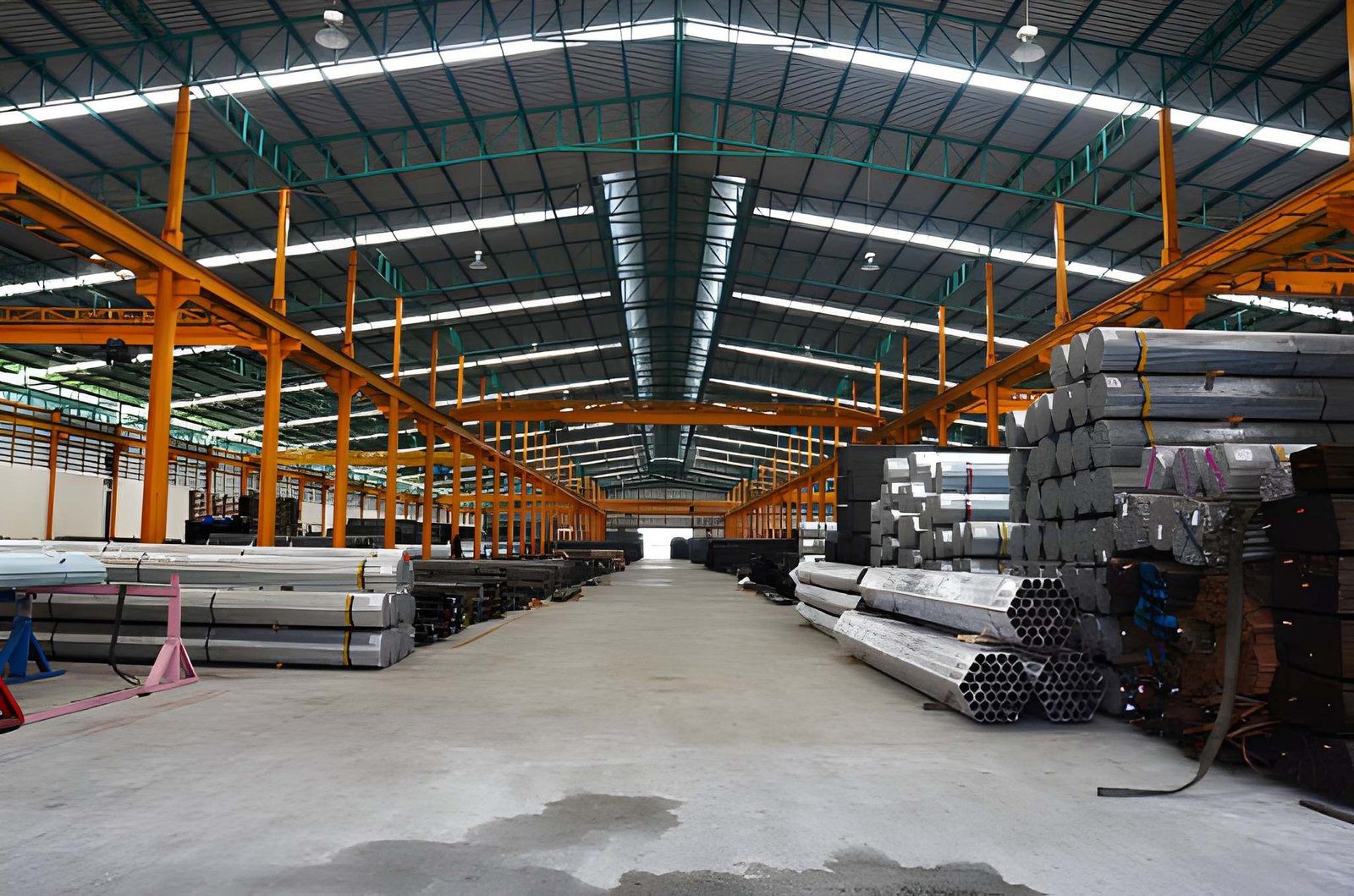
Steel is one of the most important materials in the UAE construction industry. From high-rise buildings in Dubai to industrial facilities, warehouses, bridges, and residential developments, different types of steel provide the strength and durability needed for modern infrastructure.
However, not all steel products serve the same purpose. The right choice depends on structural requirements, environmental exposure, building design, budget, and applicable construction standards. Understanding the main types of steel used in UAE construction helps contractors, engineers, and developers select suitable materials for their projects.
- Carbon Steel
Carbon steel is widely used in construction because of its strength, versatility, and availability. Its properties depend on its carbon content and other factors, making different grades suitable for different applications.
In the UAE, carbon steel is commonly used for structural frameworks, steel plates, pipes, beams, columns, and various fabricated components.
Low-carbon steel is generally easier to form and weld, while other grades may offer higher strength for specific applications. Engineers select the appropriate grade according to the intended load, fabrication requirements, and relevant specifications.
Although carbon steel is a practical construction material, it can corrode when exposed to moisture and oxygen. Suitable coatings, painting systems, and maintenance practices can help protect it in demanding environments.
- Reinforcing Steel (Rebar)
Reinforcing steel, commonly called rebar, is essential for reinforced concrete construction. Concrete performs well under compression but has limited tensile strength. Reinforcement helps concrete structures withstand tensile forces and other design loads.
Rebar is widely used in foundations, columns, beams, slabs, retaining walls, and other reinforced concrete elements throughout the UAE.
Different reinforcement grades and bar diameters are available to meet engineering requirements. The correct specification depends on structural calculations, design drawings, applicable standards, and project conditions.
Contractors should verify bar markings, dimensions, material certificates, and required mechanical properties before installation. Proper storage and handling are also important to prevent contamination or damage before the reinforcement is incorporated into concrete.
- Structural Steel
Structural steel is used to create load-bearing frameworks for commercial buildings, industrial facilities, warehouses, and other large structures.
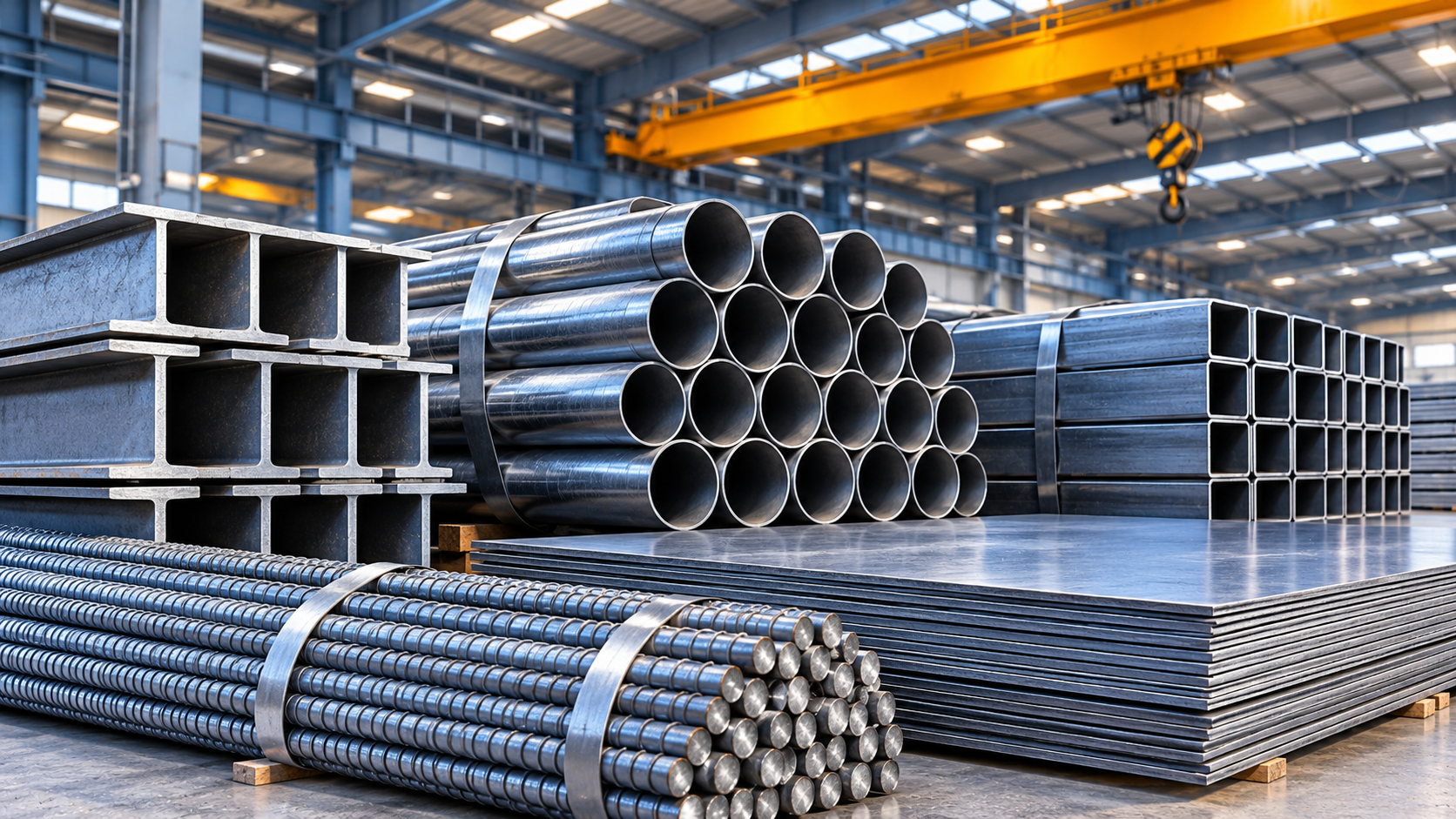
Common products include I-beams, H-beams, channels, angles, and hollow structural sections. These components can support substantial loads while allowing engineers to design efficient building frameworks.
Structural steel is particularly useful for projects that require large open spaces, long spans, or relatively fast construction. Steel components can be fabricated before arriving at the site, helping streamline installation when planning and coordination are effective.
For UAE projects, structural steel should be selected according to the design loads, connection requirements, fire protection needs, and applicable building specifications.
- Stainless Steel
Stainless steel contains chromium, which helps form a protective surface layer that improves corrosion resistance. Depending on its grade, it may also contain nickel, molybdenum, and other alloying elements.
In the UAE, stainless steel is used for architectural finishes, handrails, balustrades, kitchen equipment, industrial installations, and certain building services.
Its corrosion resistance makes it useful in humid and coastal environments, although performance varies by grade and exposure conditions. For example, some stainless steel grades are better suited to environments containing chlorides, which can contribute to pitting corrosion.
Stainless steel often costs more than carbon steel, so it is generally selected where its appearance, hygiene properties, or corrosion resistance justify the additional expense.
- Galvanized Steel
Galvanized steel is coated with zinc to protect the underlying steel from corrosion. The zinc coating acts as a barrier and can provide additional protection where the coating is locally damaged.
Common applications include outdoor supports, fencing, cable trays, roofing components, brackets, light structural elements, and selected electrical or mechanical installations.
Galvanized steel is often useful in the UAE because outdoor structures can experience humidity, dust, and occasional moisture exposure. However, coating thickness, fabrication methods, maintenance, and proximity to the sea affect long-term performance.
For coastal projects, confirm that the galvanizing specification is appropriate for the expected exposure conditions.
- Weathering and Alloy Steels
Weathering steel and other alloy steels serve more specialized purposes. Weathering steel develops a protective oxide layer under suitable environmental conditions, while alloy steels use additional elements to achieve particular mechanical or physical properties.
These materials may be considered for specific infrastructure, industrial equipment, or engineered applications.
However, weathering steel does not perform equally well in every environment. Persistent humidity, salt exposure, and conditions that prevent the surface from drying can interfere with protective patina formation. Project-specific engineering advice is therefore essential.
How to Choose the Right Steel for a UAE Project
Choosing the right steel depends on the intended application rather than the material name alone. Before purchasing, consider structural strength, corrosion resistance, fabrication requirements, maintenance costs, and total project budget.
However, engineers should verify relevant standards, product certifications, and material specifications. Environmental exposure is especially important for projects near the coast, where airborne salt can accelerate corrosion in susceptible materials.